
In today's competitive design landscape, surface detail plays a key role in shaping a product's first impression. This article explores how modern texturing technologies have transformed how industries approach surfaces - not just as visual elements, but as functional, tactile, and brand-defining components. Through precision techniques and a deep understanding of materials, we deliver texturing solutions that align with ergonomic, aesthetic, and technical goals across a variety of industries.
Dimas Prasetya – Senior Content Specialist
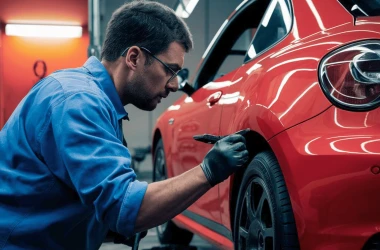
Texturing is more than applying patterns - a synergy between creativity, advanced tools, and precise engineering. In this article, we take you behind the scenes of our process, from initial client consultation and pattern selection to laser etching, chemical processing, and final finishing. Every flawless texture we deliver is backed by a meticulous team and cutting-edge technology working in harmony.
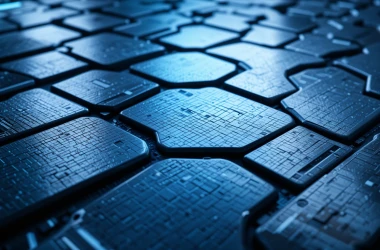
Texture is more than just visual appeal - it shapes how users interact with a product. In modern industrial design, surface texture plays a crucial role in improving grip, enhancing user perception, and communicating product quality. This article delves into the psychological and functional impact of surface texture, and how our clients leverage it to create premium, user-focused products.
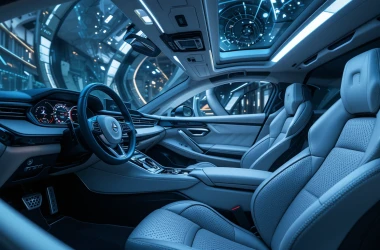
One of our most exciting collaborations involved working with a renowned automotive brand to craft a futuristic interior concept. By applying bold and dynamic textures to dashboards, door panels, and center consoles, we elevated the driving experience with surfaces that not only look sophisticated but also offer enhanced tactile comfort and durability. This project proves that texture is more than finish - a strategic design element.

Sustainability is no longer optional - a responsibility. Through intelligent surface design, we help our clients reduce reliance on paints, chemical coatings, and additional finishing layers. Our textures not only enhance visual appeal but also improve scratch resistance and durability, making them both eco-conscious and efficient. This article explores how advanced texturing contributes to environmentally sustainable product strategies.
Arief Rachman – Sustainability Analyst
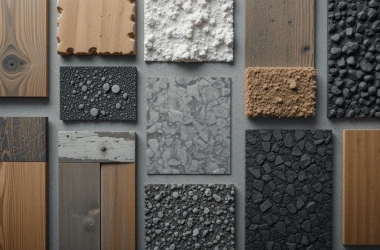
Every industry has its own demands. Textures for electronics differ significantly from those used in automotive or homeware products. This article explains our tailored approach - from ergonomic analysis and market trend studies to material testing and prototype development. Our team works closely with clients to ensure the textures we deliver not only meet expectations but also elevate their brand's identity.
Liana Yusuf – Business Strategist

rom biomimicry-inspired patterns to stylish matte finishes and light-reactive textures, 2025 is set to bring exciting trends in surface design. In this article, we highlight five emerging texturing directions that will shape the future of automotive, consumer electronics, and lifestyle product design. Whether you're a designer, engineer, or brand owner, these trends are key to staying ahead.
Kevin Hartanto – Trend Researcher