

Who We Are?
PT. TNZ Indonesia is a subsidiary of TanazawaHakkosha Co. Ltd, a global leader with over a century of excellence in surface processing and texturing technology. Strategically located in Lippo Cikarang, we provide cutting-edge Japanese technology to support industrial innovation and advancement in Indonesia.

We Are The Best & Expert For Texturing Solution
PT. TNZ Indonesia operates with a robust capital base of US $1,195,000.00 ,- , reflecting our unwavering commitment to long-term industrial presence and technological advancement in Indonesia. This investment enables us to continually upgrade our facilities, adopt cutting-edge Japanese technology, and support our clients with stable, high-quality solutions.
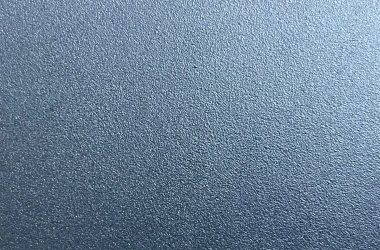
Creating a texture surface on a material by using compressed air to blast abrasive particles against it.
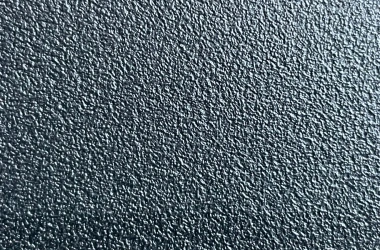
Spray etching is a surface treatment process in which ink containing controlled particle sizes is sprayed onto a mold surface using a spray gun, following a specific texture or pattern requirement.
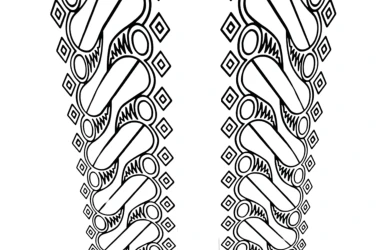
Photo etching is the process of using ultra-violet light to fix an image onto a sheet of metal, and then using chemicals to etch the shape into the metal, removing more and more of the material until only the shape is left.
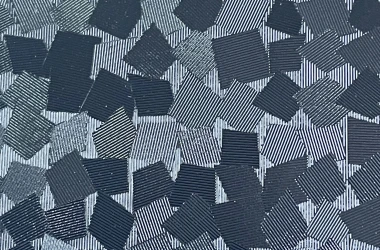
Film etching is a surface texturing process where a photo film is precisely positioned and attached to the mold surface.

Group of techniques of applying texture processing on the surface of plastic moldings instead of engraving or pasting leather on the surface of a mold. One of the features is that original three-dimensional design patterns can be produced on the surface of finished products using processed data of design patterns. There is no need to make tangible design patterns.
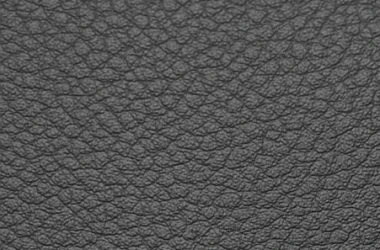
Special coating technique originally developed by Tanazawa Hakkosha, which is to be applied on mainly grained surface of injection moulds. G COAT is applicable on any mould, as long as heat curing is applicable.

What Our Satisfied Customers Feedback About Us
See Our Blog & News

In today's competitive design landscape, surface detail plays a key role in shaping a product's first impression. This article explores how modern texturing technologies have transformed how industries approach surfaces - not just as visual elements, but as functional, tactile, and brand-defining components. Through precision techniques and a deep understanding of materials, we deliver texturing solutions that align with ergonomic, aesthetic, and technical goals across a variety of industries.
Dimas Prasetya – Senior Content Specialist
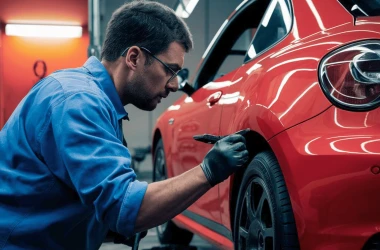
Texturing is more than applying patterns - a synergy between creativity, advanced tools, and precise engineering. In this article, we take you behind the scenes of our process, from initial client consultation and pattern selection to laser etching, chemical processing, and final finishing. Every flawless texture we deliver is backed by a meticulous team and cutting-edge technology working in harmony.
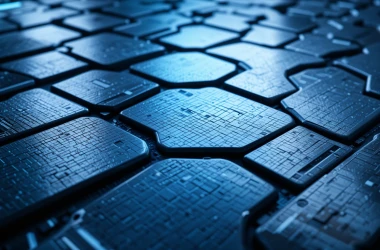
Texture is more than just visual appeal - it shapes how users interact with a product. In modern industrial design, surface texture plays a crucial role in improving grip, enhancing user perception, and communicating product quality. This article delves into the psychological and functional impact of surface texture, and how our clients leverage it to create premium, user-focused products.
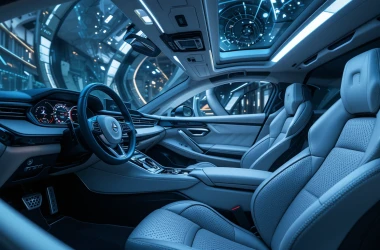
One of our most exciting collaborations involved working with a renowned automotive brand to craft a futuristic interior concept. By applying bold and dynamic textures to dashboards, door panels, and center consoles, we elevated the driving experience with surfaces that not only look sophisticated but also offer enhanced tactile comfort and durability. This project proves that texture is more than finish - a strategic design element.